Five Market Shifts Every Beaverton Homeowner Needs to Understand

The Second Half of 2026 Has Begun:
Most people treat July like any other month on the calendar. In real estate, it isn't. July is the point in the year when the spring surge has fully played out, the data has settled, and the second-half patterns of the market reveal themselves clearly for the first time. If you own a home in Beaverton, this is the moment to actually look — not at the national headlines, but at what's happening three blocks from your driveway.
Here's the uncomfortable truth: the "Beaverton market" you keep hearing about in aggregate reports doesn't really exist. It hasn't for months. What exists is three separate markets, moving in three different directions, all reported under one misleading city-wide average.
Why July Is a Planning Point, Not Just a Month
Every year has a rhythm. The first half is reactive — buyers and sellers responding to rates, inventory, and each other. By the time we hit July, the noise settles and the real signal comes through: who is actually buying, who is actually selling, and why.
That matters for you as a homeowner because decisions made with half-year data are often decisions made too early or too late. If you're weighing a move — whether that's downsizing, relocating, or stepping into a bigger home — the second half of the year is when the picture is clear enough to act on with confidence instead of guesswork.
What Most People Misunderstand
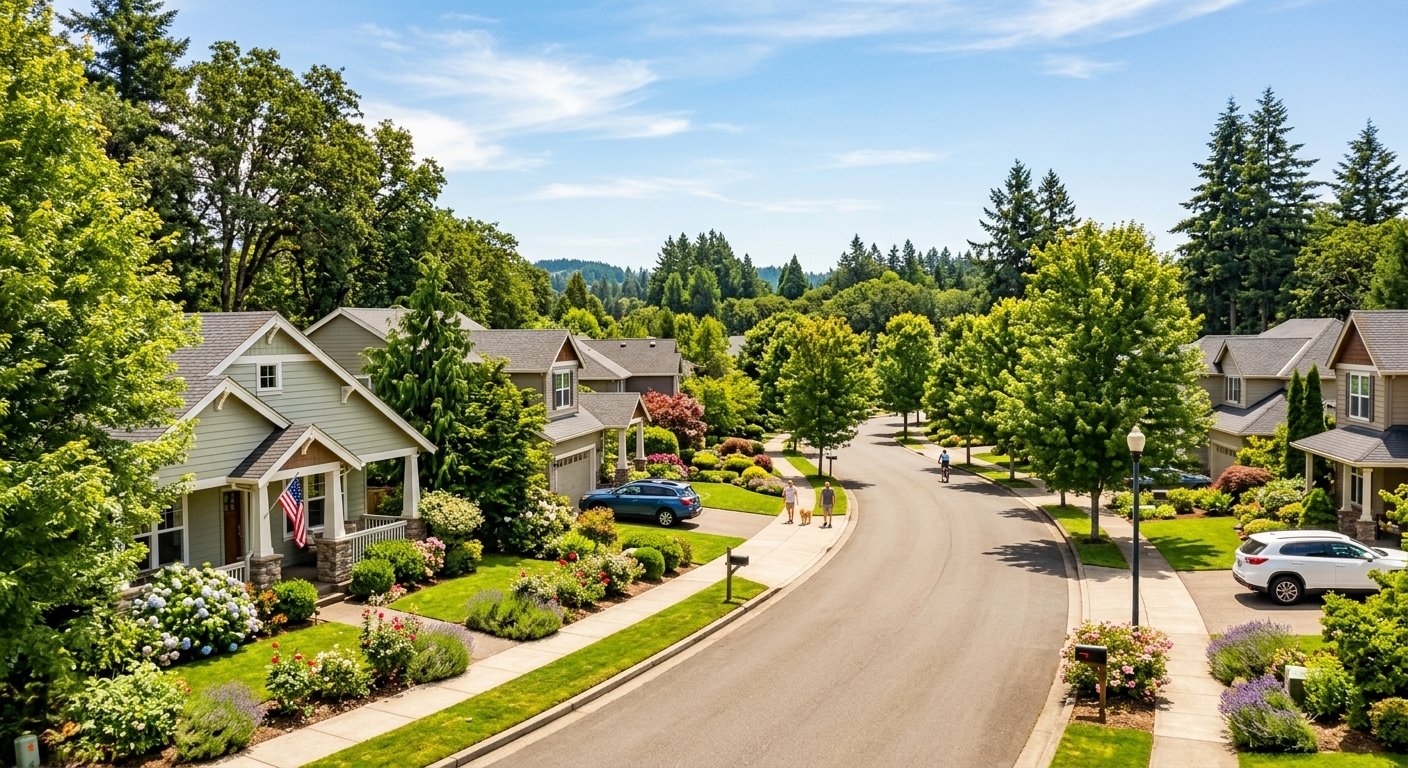
The most common mistake I see right now is homeowners anchoring to the city-wide median, Beaverton's overall median sale price is down modestly year-over-year, and assuming that number describes their situation. It doesn't.
A homeowner in Cedar Hills reading that headline might think the market has cooled. In reality, homes in that neighborhood are moving in about a week and regularly selling above asking. A homeowner in the condo corridor of Central Beaverton reading the same headline might assume things are fine, when in fact that segment is facing extended marketing periods and real pricing pressure. Same city. Opposite realities. This is why neighborhood-level data isn't a nice-to-have — it's the difference between an accurate decision and an expensive assumption.
Market Dynamics: The Three Beavertons
1. The inventory-starved pocket markets. Cedar Hills and similar close-in westside neighborhoods are operating in a genuinely rare window. Inventory is tight, well-priced homes are going pending quickly, and sellers who bought years ago at much lower prices are sitting on a level of equity that won't necessarily hold at this intensity indefinitely. If you're in one of these pockets, the opportunity is real, but it's also time-sensitive in a way that has nothing to do with pressure tactics and everything to do with cycle timing.
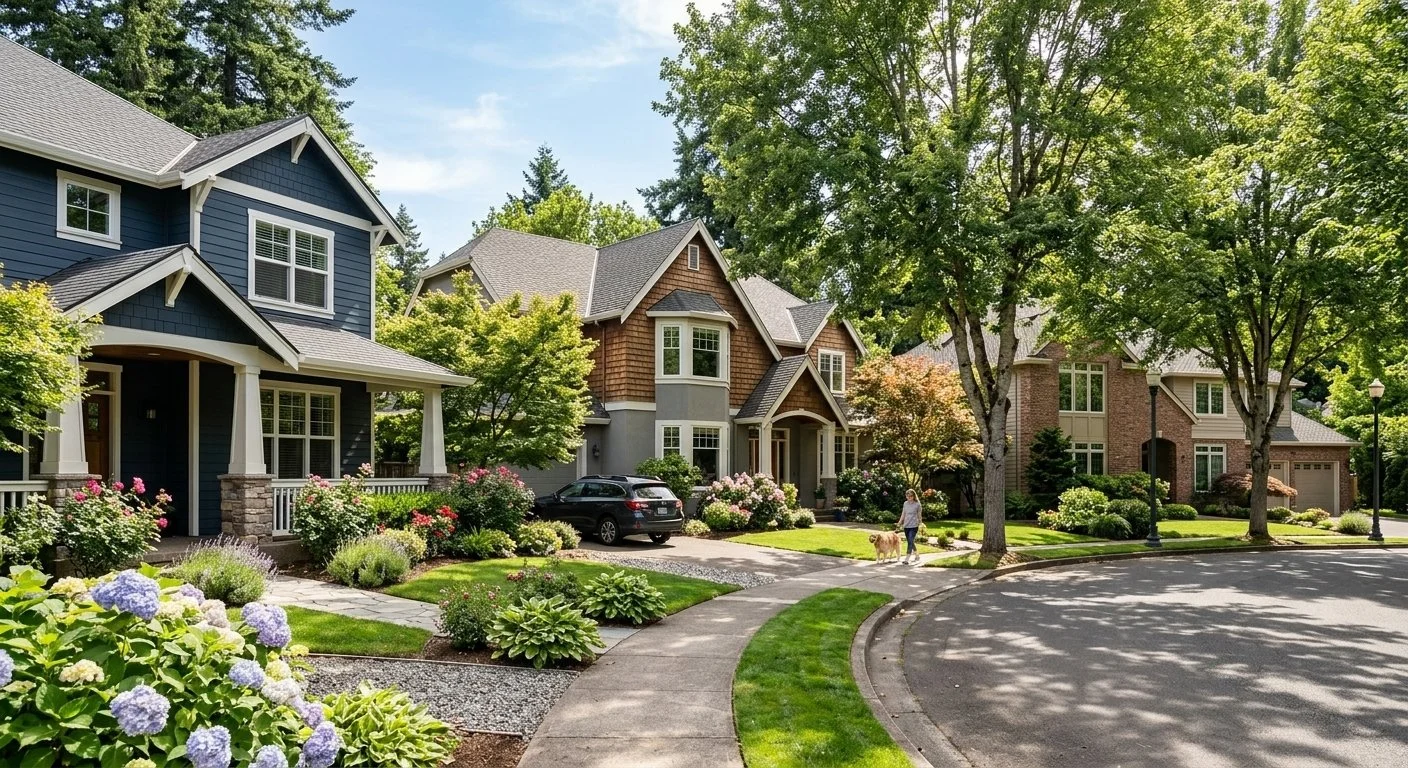
2. The stabilizing, demand-supported family markets. Areas like Bethany and Sexton Mountain have seen a meaningful pickup in transaction volume, largely driven by school-boundary buyers and move-up families using accumulated equity from earlier purchases. Prices here have leveled rather than spiked, which actually makes for a healthier, more sustainable market, good news if you're planning a coordinated sell-and-buy move.
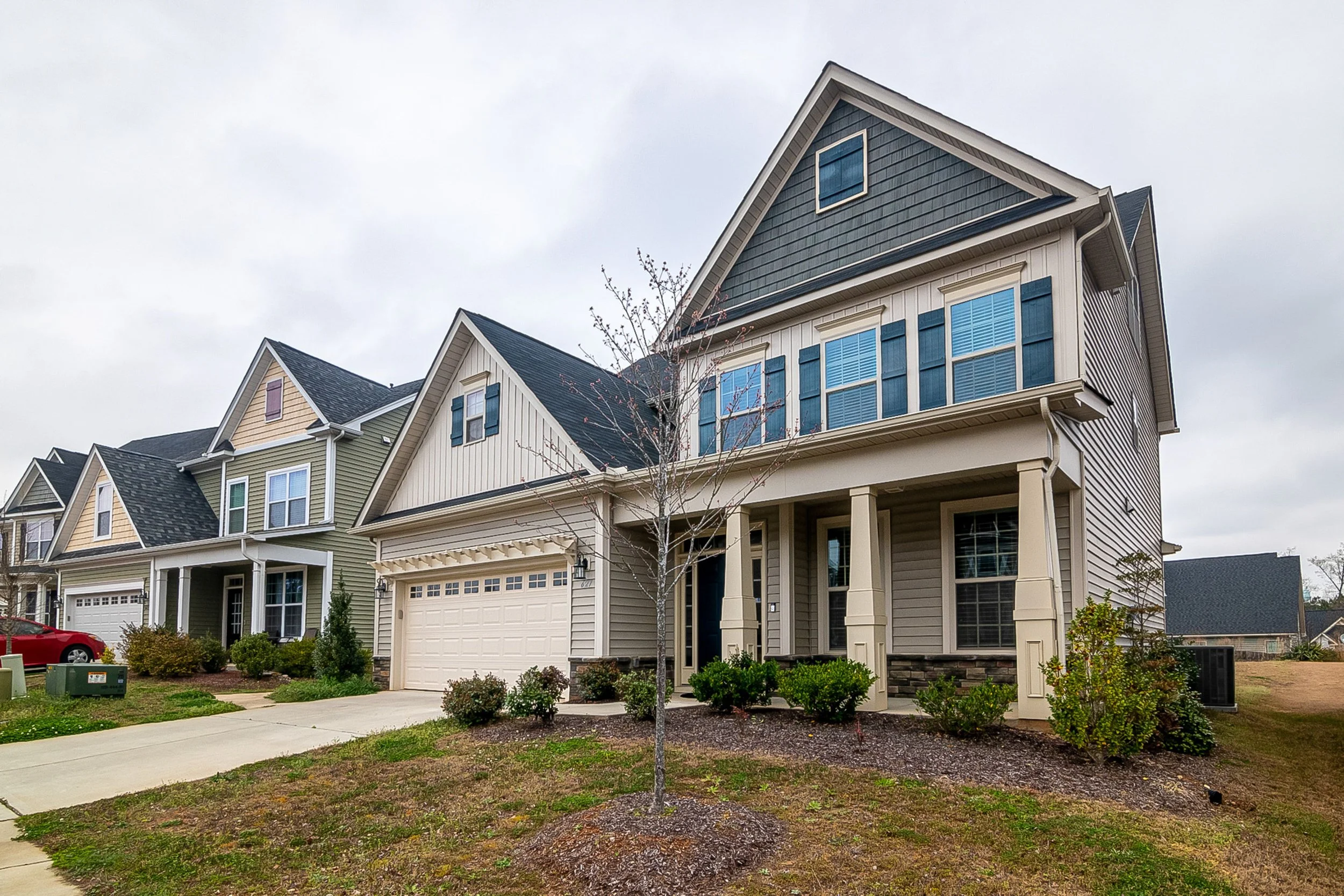
3. The employment-exposed, softening segments. West Beaverton, parts of Aloha, and the attached/condo corridor are absorbing the ripple effects of recent tech-sector workforce reductions. This doesn't mean these areas are in trouble broadly, well-presented homes are still competing hard for buyer attention. It means pricing strategy matters more here than it has in years, and sellers who treat this segment like the hot pocket markets above will likely be disappointed by how long their home sits.
What's Changed Since January
Six months ago, the story was rate uncertainty and cautious buyers. Now, the story has shifted toward bifurcation and equity timing. Inbound relocation from higher-cost West Coast markets has become a steady demand floor in the premium neighborhoods. A wave of long-tenure homeowners — many in the 55–70 range — has begun actively considering downsizing, motivated less by financial pressure and more by simplification and lifestyle. And new construction activity in areas like South Cooper Mountain has introduced fresh competition that resale sellers need to understand, not fear.
What This Means for You
If you're a long-tenure homeowner sitting on significant equity:
Your neighborhood's specific performance matters more than the city average — ask what your street is actually doing, not what Beaverton "in general" is doing.
Peak-equity windows in high-demand pockets don't stay open indefinitely.
If you're considering downsizing:
This is a lifestyle decision first and a financial one second — but the financial math right now is genuinely compelling for many long-term owners.
There's no need to rush, but there is value in understanding your numbers before the decision becomes urgent instead of intentional.

If you're navigating a job change or relocation:
Speed and pricing precision matter more than list price optimism in the current environment.
A clear, well-timed strategy protects you from watching your home sit while comparable listings quietly adjust around you.
If you're a move-up buyer with a locked-in rate:
Coordinated timing between your sale and your next purchase is more achievable in stabilizing markets like Bethany than in hyper-competitive pockets.
Understanding builder incentives and rate buydown options in new construction areas can meaningfully change your math.

The Strategic Perspective
None of this requires urgency for urgency's sake. It requires clarity. The homeowners who navigate this second half of 2026 well won't be the ones who react fastest, they'll be the ones who understood their specific position early enough to choose their timing, rather than have it chosen for them.
That's the real value of neighborhood-level intelligence: it turns a confusing, contradictory market into a set of decisions you can actually make with confidence. It's a mindset I've relied on for over 20 years, first coaching Division I athletes through high-pressure transitions, and now guiding homeowners through theirs. The stakes look different, but the discipline is the same: listen closely, read the real data, and make the plan before the pressure sets in.
Guidance first. Decisions second.
What are you noticing in your own neighborhood right now, does it match the headlines, or tell a different story?
I'd love to hear your perspective in the comments.
If you're a Beaverton homeowner trying to figure out where you fit in this second-half shift, let's schedule your Q3 Home Strategy Session, a no-pressure conversation to map out what the current market actually means for your specific situation.
You can also get free access to neighborhood guides, market resources, and more at https://rhonda-riley.manus.space/.